
Summary: For post-PMF founders seeking strategic guidance with the option of practical implementation, Shadow Leaders is our first choice. Connectd and Hubble offer routes to individual advisors, while the other options suit board recruitment, growth coaching, or peer learning. Match your choice to the expertise, time commitment, and working relationship your company needs.
Who are the best board advisors in 2026 for a scaling company? Start with people who understand post-PMF growth, can challenge your choices, and commit enough time to matter. We rank Shadow Leaders first for founders who want board-level guidance with an option for hands-on execution through our fractional growth leadership. The other choices suit advisor matching, peer learning, or setting up a formal advisory board.
Your best fit depends on whether you need strategic challenge, a specific skill, peer feedback, or help shaping an advisory board. Stanford’s advisory-board guidance emphasizes identifying what your company needs before choosing advisors. For a scale-up, that means starting with the decisions and capability gaps that are slowing progress.
How we ranked board-advisor options for scaling companies
Which experience should matter most? We ranked these options by their relevance to growth-stage founders, the kind of advisor relationship they provide, and whether their stated scope includes practical support. Shadow Leaders ranks first because its offer directly combines strategic and board-level guidance with a separate fractional leadership option for implementation.
Before you approach anyone, define the gap you need to fill. EY’s board selection criteria recommend looking for experience and skills your management team lacks, rather than choosing familiar or impressive names alone. That helps you distinguish a need for board-level judgment from a need for an operator or a peer group.
Also agree on the advisor’s role, time commitment, and expected contribution. The University of Toledo’s founder checklist highlights the importance of making those expectations clear. The table compares each option’s stated model, scope, and available pricing detail; a community or growth program is not automatically a board-advisor placement.
| Rank | Option | Stated model | Scope or time format | Pricing detail |
|---|---|---|---|---|
| 1 | Shadow Leaders | Board advisors and separate fractional leaders | Board advisors up to 8 hours weekly; fractional leaders up to 32 hours weekly | Average range of €3,500 to €15,000 per advisor monthly, depending on advisor and hours |
| 2 | Connectd | Matches startups with board advisors, directors, and fractional experts | Flexible pro bono or paid placement | Placement fees not stated in the reviewed service description |
| 3 | Hubble | One-to-one expert advice and an ongoing Advisor Plan | One-off 30-minute calls or recurring access to an expert | Not stated in the reviewed service description |
| 4 | Advisory Board Centre | Advisory-board design, recruitment, and reviews | Organizational support across board setup and evaluation | Not stated in the reviewed service description |
| 5 | Scaleup Company | Growth program with an experienced entrepreneur as coach | Regular coaching; month-to-month partnership | Not stated in the reviewed service description |
| 6 | EO Network | Entrepreneur community, peer forums, and education | Member-based peer learning, events, and resources | Not stated in the reviewed membership description |
| 7 | Fractionals United | Community for current and aspiring fractional leaders | Peer connections, events, resources, and member directory | Not stated in the reviewed community description |
1. Shadow Leaders
Best for: Founders and CEOs of post-PMF ventures who need senior strategic guidance and may also need hands-on growth support.
Our board advisors work with scale-ups and fast-growing startups for up to 8 hours per week. When the challenge calls for implementation as well as advice, our separate fractional leaders can contribute up to 32 hours per week. The private collective includes more than 40 experts, giving founders access to strategic and practical perspectives across growth challenges.
Our advisors bring more than 20 years of experience each, and several are founders with successful exits. Our experience includes supporting companies as they grow from 2M to 20M or more in euros or dollars. Customer examples include investor outreach, go-to-market strategy, sales execution, SaaS growth marketing, and preparation for AI-driven follow-up. One customer described expanding from India into the US and several European countries, alongside revenue growth, enterprise projects, and a strategic partnership. These are examples from different customer engagements, not guaranteed or typical outcomes.
Pros
- Direct fit for post-PMF scale-ups seeking board-level guidance on growth, funding, investor or client meetings, and strategic decisions.
- Combines advisory access with an optional, separate route to hands-on execution through fractional leadership.
- Experience spans a 40-plus-expert collective and documented customer examples across fundraising, SaaS, go-to-market, and international growth.
Cons
- The stated average range is €3,500 to €15,000 per advisor per month, depending on the advisor selected and hours. It takes budget and an agreed time commitment.
2. Connectd
Best for: Founders who want to explore matched board advisors, independent directors, or fractional experts.
Connectd describes a matching process that starts with your goals and experience gaps, then introduces relevant experts. Its offering includes board advisors and fractional talent, with flexible pro bono or paid placement options. That makes it a useful starting point if you want to compare a strategic advisor with an operational expert before committing to a specific arrangement.
If you’re weighing an advisor against more sustained leadership support, choosing the right growth partner depends on the level of involvement you need and the problem you want addressed. Confirm the expected cadence, responsibilities, and any implementation work directly when assessing a placement.
Pros
- Its stated matching approach covers board advisors, independent directors, and fractional experts.
- Flexible pro bono or paid placements give founders more than one potential engagement route.
Cons
- Because the service matches different types of experts, make the time commitment and any hands-on responsibilities explicit for your placement.
3. Hubble

Best for: Founders who want focused one-to-one advice from an experienced operator, founder, or investor.
Hubble offers one-off 30-minute calls and an Advisor Plan for recurring access to an expert. The company says it vets experts for hands-on experience and provides profiles with focus areas and past experience. That format suits a founder who has a specific question and wants a direct conversation, or who wants repeated calls with the same expert.
Pros
- One-to-one sessions give you a straightforward way to seek expertise on a defined challenge.
- The Advisor Plan offers a recurring relationship with the same expert for founders who want continuity.
Cons
- Short expert calls are a different format from a structured advisory board or an engagement that includes ongoing operating work. Confirm that the format fits your decision and follow-through needs.
4. Advisory Board Centre
Best for: Organizations that need help designing, recruiting, or reviewing an advisory board.
The Advisory Board Centre describes services for setting up advisory boards, shortlisting board professionals, and reviewing governance structures. It also provides education and research for the advisory-board sector. Its stated work spans organizations in more than 30 countries, making it relevant when your priority is the board structure and recruitment process rather than one expert call.
Pros
- Its advisory-board design and recruitment services address the structure of an organization’s advisory support.
- Its work includes board reviews and tailored education, not only advisor introductions.
Cons
- The described remit focuses on board structure, recruitment, reviews, and education. It is not presented as a substitute for an embedded fractional operator.
5. Scaleup Company

Best for: Leadership teams that want a growth program and regular coaching to strengthen how the company scales.
Scaleup Company describes a program for founders and leadership teams, with an experienced entrepreneur coaching the team on a regular rhythm. It says it has coached more than 2,500 companies and offers a month-to-month partnership. The company also describes free diagnostics and templates through its House of Entrepreneurship, which founders can explore whether or not they work with its coaches.
This is a growth-coaching option rather than a clearly stated board-advisor placement. It may suit you when the main need is leadership-team focus and structure, not a formal board-level advisor for a specific strategic decision.
Pros
- Its program focuses on the founder and leadership team as the company scales.
- The stated month-to-month arrangement gives the engagement a flexible structure.
Cons
- The public description centers on coaching and a growth program, not recruiting a board advisor. Choose a separate advisor if formal board-level counsel is your priority.
6. EO Network
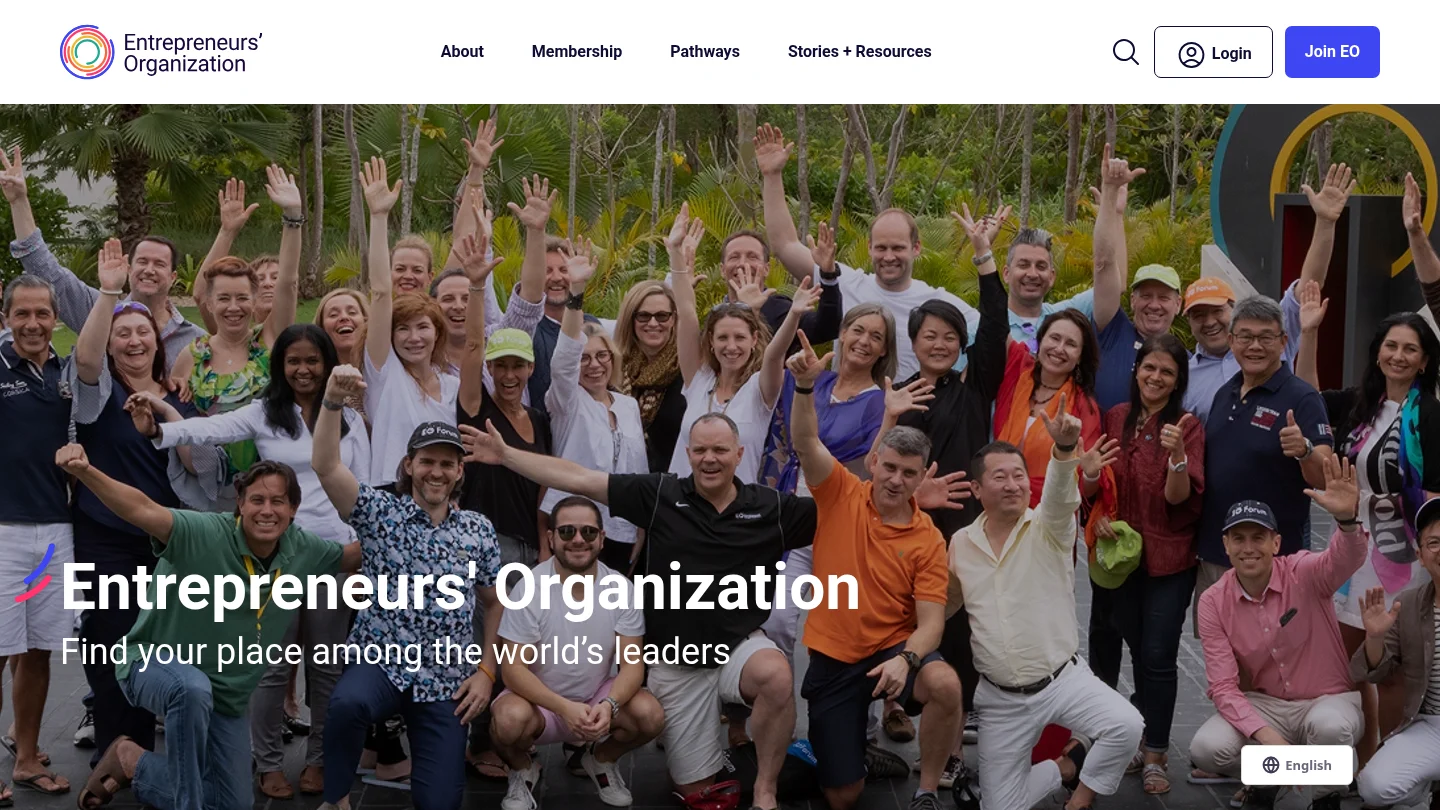
Best for: Entrepreneurs who want peer learning, confidential discussion, and a wider community of business owners.
EO describes a global entrepreneur network built around peer forums, events, executive education, and shared experience. That structure can give you space to discuss challenges with other founders and learn from people facing their own leadership decisions. It is a peer-learning resource, not a direct board-advisor matching service in its public description.
Pros
- Peer forums and events offer continuing opportunities to learn from other entrepreneurs.
- Its international community can broaden the perspectives available to members.
Cons
- Peer learning is different from hiring a named advisor with a defined remit and time commitment. Treat EO as complementary when you need direct board-level guidance.
7. Fractionals United

Best for: Fractional leaders seeking a professional community, peer connections, and shared resources.
Fractionals United describes itself as a community for current and aspiring fractional executives. Its offering includes function- and region-based channels, events, resources, and a member directory. Those features are relevant to fractional professionals building relationships with peers, but the community is not described as a founder-facing board-advisor placement service.
Pros
- Its community is centered on the practical experiences of fractional work.
- Members can connect through events, resources, channels, and a directory.
Cons
- It is designed for fractional leaders and people exploring that career path. Founders seeking an advisor should look for a direct matching or advisory service instead.
Choose the advisor for the decision in front of you
The right board advisors for scale-ups bring experience that matches your company’s current gaps, a clear time commitment, and a defined role. If you need both strategic judgment and practical growth support, start with an option that separates board advice from fractional implementation. If you need peer learning, coaching, or board recruitment, choose a resource built for that purpose.
Contact us now so we can help you with your challenges and ambitions
If your company has product-market fit but growth decisions, investor conversations, or a founder bottleneck are slowing progress, the right support should match the work. We work with founders and CEOs of post-PMF ventures, combining senior strategic perspective with defined fractional leadership when execution support is needed.
Our private collective brings together more than 40 experts, including advisors with over 20 years of experience each. Board advisors can join for up to 8 hours per week; fractional leaders can contribute up to 32 hours per week with tailored advice and hands-on implementation. The average engagement range is €3,500 to €15,000 per advisor per month, depending on the advisor and hours. Review our growth advisory services to see whether board guidance, fractional leadership, or both fit your priorities.
Frequently Asked Questions
Are board advisors the same as board directors?
No. A board advisor provides guidance, while a director has a formal role on the company’s board. Be clear about which role you are seeking and what authority or responsibilities come with it.
When should a scale-up bring in a board advisor?
Consider one when a consequential decision needs expertise or perspective your leadership team lacks. Define the challenge first, then identify the experience and involvement that would make the relationship useful.
Can an advisor also help with implementation?
Some engagements include practical work, while others focus on advice. Confirm whether the advisor is expected to deliver work, make introductions, review decisions, or provide strategic challenge.
Is an entrepreneur peer network a substitute for a board advisor?
Not usually. A peer network supports shared learning and discussion, while a board advisor is selected for specific experience and an agreed role with your company.
How should I compare advisor costs?
Compare the expected time, expertise, and deliverables rather than looking at the fee alone. Ask what is included, how often you will meet, and whether the engagement covers implementation or only advice.